What to eat in Mallorca: ensaïmada, sobrassada and where
Updated 24 November 2026. Protected names, market hours and food tours checked the same day.
Mallorcan cooking is farm food: pork, bread, olive oil, vegetables from the garden and almonds. Two products carry a protected name across Europe: the ensaïmada pastry and the sobrassada sausage. The island adds its own olive oil, paprika and herb liqueur. This page lists the dishes to look for, what each one is, and where to try them.
Quick answer
- For breakfast: an ensaïmada, plain or filled with cabell d’àngel, the sweet squash jam.
- For lunch: pa amb oli with ham or cheese, tumbet, or a frit mallorquí of pork and potatoes.
- To take home: sobrassada, olive oil with the Oli de Mallorca label, and a bottle of herbes.
- Where: the covered markets of Palma, a food tour of the old town from about €90, or a village celler.
On this page
- Ten dishes from pa amb oli to gató
- Ensaïmada protected since 2004
- Sobrassada pork and paprika
- Oil and herbs
- Where to eat markets, cellers, bakeries
- A food day from market to dinner
- FAQ
Palma in small plates: a three-hour food walk through the old town with a local
On this page
Palma in small plates: a three-hour food walk through the old town with a local
We may earn a commission when you book through our links. How it works
Ten Mallorcan dishes to try
| Dish | What it is | When you eat it |
|---|---|---|
| Pa amb oli | Bread rubbed with tomato and olive oil, served with ham, cheese or fish | Lunch, a light dinner |
| Tumbet | Layers of fried potato, aubergine and pepper under a tomato sauce | Lunch, hot or cold |
| Frit mallorquí | Pork and potatoes fried with local spices | Lunch |
| Arròs brut | A soupy rice with mushrooms, pork, rabbit and poultry | Lunch, in the cooler months |
| Sopes mallorquines | Thin slices of dark bread soaked in a vegetable broth | Lunch |
| Coca de trempó | A flat bake topped with chopped vegetables | A snack, at tastings |
| Panades | Pastries filled with lamb | Easter |
| Robiols | Half-moon pastries filled with cottage cheese, squash jam or fruit jam | Easter, with coffee |
| Ensaïmada | A coiled pastry made with pork lard | Breakfast |
| Gató d'ametlla | An almond sponge, often with almond ice cream | Dessert |
The cellers, traditional restaurants named after the old wine cellars, are the surest place to find several of these on one menu.
Three ways to taste the island
Palma Food Tour: Tapas, Drinks and Delights with a Local
Small plates and island wine through the old town, ending near the Olivar market.
3 hours
Free cancellation
3 hPalmafrom €89
Booked on Viator
4-Hour Market Visit and Traditional Cooking Workshop in Palma
An hour among the stalls, then a traditional recipe cooked and eaten together.
4 hours
Free cancellation
4 hCookingfrom €145
Booked on Viator
Guided Tasting Tour in 16th century House and Olive Oil Factory
Oil from terraced groves in the Tramuntana, tasted in a 16th-century house.
1 hour
Free cancellation
1 hOlive oilfrom €30
Booked on Viator
Ensaïmada, the island’s pastry
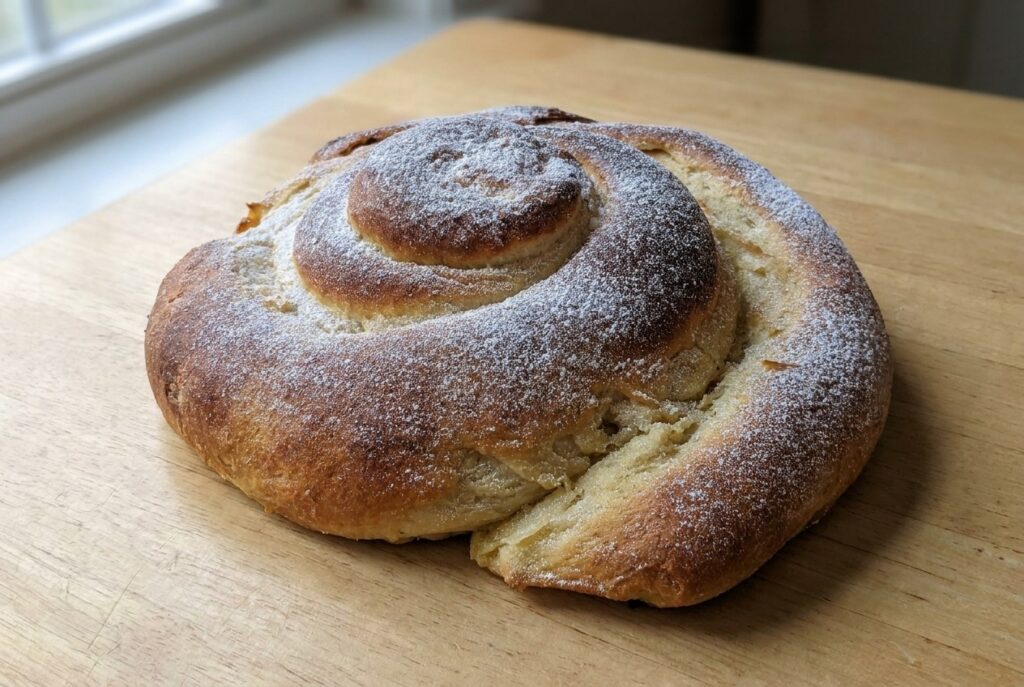
The ensaïmada is a spiral of thin dough, dusted with icing sugar. Its name comes from saïm, pork lard, which goes into the dough with strong flour, water, sugar, eggs and sourdough. Since 2004, “Ensaïmada de Mallorca” has been a protected geographical indication of the EU: it can only be made on the island.
- Plain (llisa): no filling, the one locals eat with coffee.
- Cabell d’àngel: filled with “angel’s hair”, strands of cooked squash with sugar.
- Other fillings, such as cream, chocolate or sobrassada, sit outside the protected name.
Bakeries sell them small, for one, or as large rounds for the table, often packed in a flat octagonal box.
Sobrassada and the island’s charcuterie
Sobrassada is a soft cured sausage of raw minced pork with paprika, salt and spices, and no colourings. It spreads like a paste on bread, and goes into ensaïmadas and baked dishes. Sobrassada de Mallorca is a protected geographical indication, with two kinds:
- Sobrassada de Mallorca: made from pork.
- De porc negre: from the island’s native black pig, raised in Mallorca, in a natural casing.
The paprika has its own protected name too: Pebre Bord de Mallorca, a designation of origin since 2020.
Olive oil, herbs and almonds
The other protected names of the island are worth reading on labels:
- Oli de Mallorca: extra virgin olive oil, mild and fruity, much of it from old groves on the terraces of the Serra de Tramuntana. Oliva de Mallorca covers the table olives.
- Herbes de Mallorca: the island’s herb liqueur.
- Palo de Mallorca: the other protected liqueur of the island.
- Almonds and honey: sold at the village markets; the almonds go into gató and almond ice cream.
- Wine: two protected wine areas, Binissalem and Pla i Llevant: the wineries and how to visit.
Oil
Guided Tasting Tour in 16th century House and Olive Oil Factory
1 hour, from €30, free cancellation
The valley itself, with its orange groves, is in our Sóller and Port de Sóller guide.
Where to eat in Mallorca
- The covered markets of Palma: the Mercat de l’Olivar, open since 1951, trades Monday to Friday 07:00 to 14:30 and Saturday to 15:00, and closes on Sunday. The Mercat de Santa Catalina, the city’s oldest, opens Monday to Saturday 07:00 to 15:00, with food bars to 17:00. Both have counters where you eat at the bar.
- The village markets: sobrassada, cheese, olives and almonds from the farms, a different town each day, from Sineu to Santanyí: the markets day by day.
- The cellers: traditional restaurants for the island’s recipes, in the old towns inland and in Palma.
- Bakeries (forns): for ensaïmadas, robiols at Easter, and coca de trempó to take away.
Palma itself, with its old town and the cathedral, is in our Palma guide.
A food day in Palma
- BreakfastAn ensaïmada and a coffee near Plaça Major.
- Mercat de l’OlivarStalls of fish, sobrassada and cheese; buy oil to take home.
- Lunch at the market barPa amb oli or a plate of the day at a counter.
- Mercat de Santa CatalinaThe other covered market, west of the old town; food bars open until 17:00.
- DinnerTumbet and frit in a celler, with a glass of island wine.
The Olivar market closes at 14:30 on weekdays and all day on Sundays; Santa Catalina closes on Sundays too.
Mallorca food questions
What is Mallorca’s most famous food?
The ensaïmada, a coiled pastry made with pork lard, and sobrassada, a soft cured pork sausage with paprika. Both have an EU protected name.
What is cabell d’àngel?
“Angel’s hair”: strands of cooked squash with sugar, the classic filling of the ensaïmada and of robiols.
What is pa amb oli?
Bread rubbed with tomato and olive oil, served with ham, cheese or fish: the island’s everyday lunch.
Is Mallorcan food good for vegetarians?
Tumbet, sopes mallorquines, coca de trempó and pa amb oli without the ham are all vegetable dishes. Ask about the stock in soups.
When are Palma’s food markets open?
The Olivar from Monday to Saturday morning, Santa Catalina from Monday to Saturday until 15:00. Both close on Sundays.
Read next
- Mallorca wineThe wineries of Binissalem and how to visit
- Mallorca markets day by day, from Sineu to SantanyíEvery market, day by day
- Palma old town on footPalma old town on foot